



Hospital-acquired infections (HAIs) remain one of the most persistent challenges in healthcare. On any given day, 1 in 31 hospital patients develops at least one healthcare-associated infection, according to the CDC. These infections threaten patient safety, place additional strain on clinical teams, and can extend hospital stays by an average of 17 days.
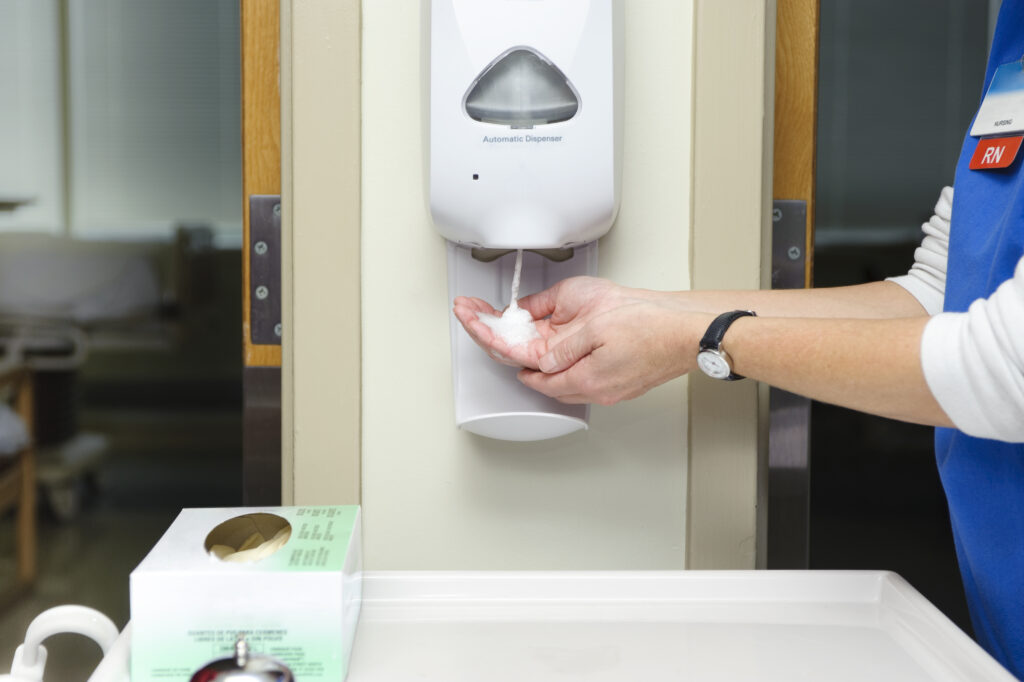
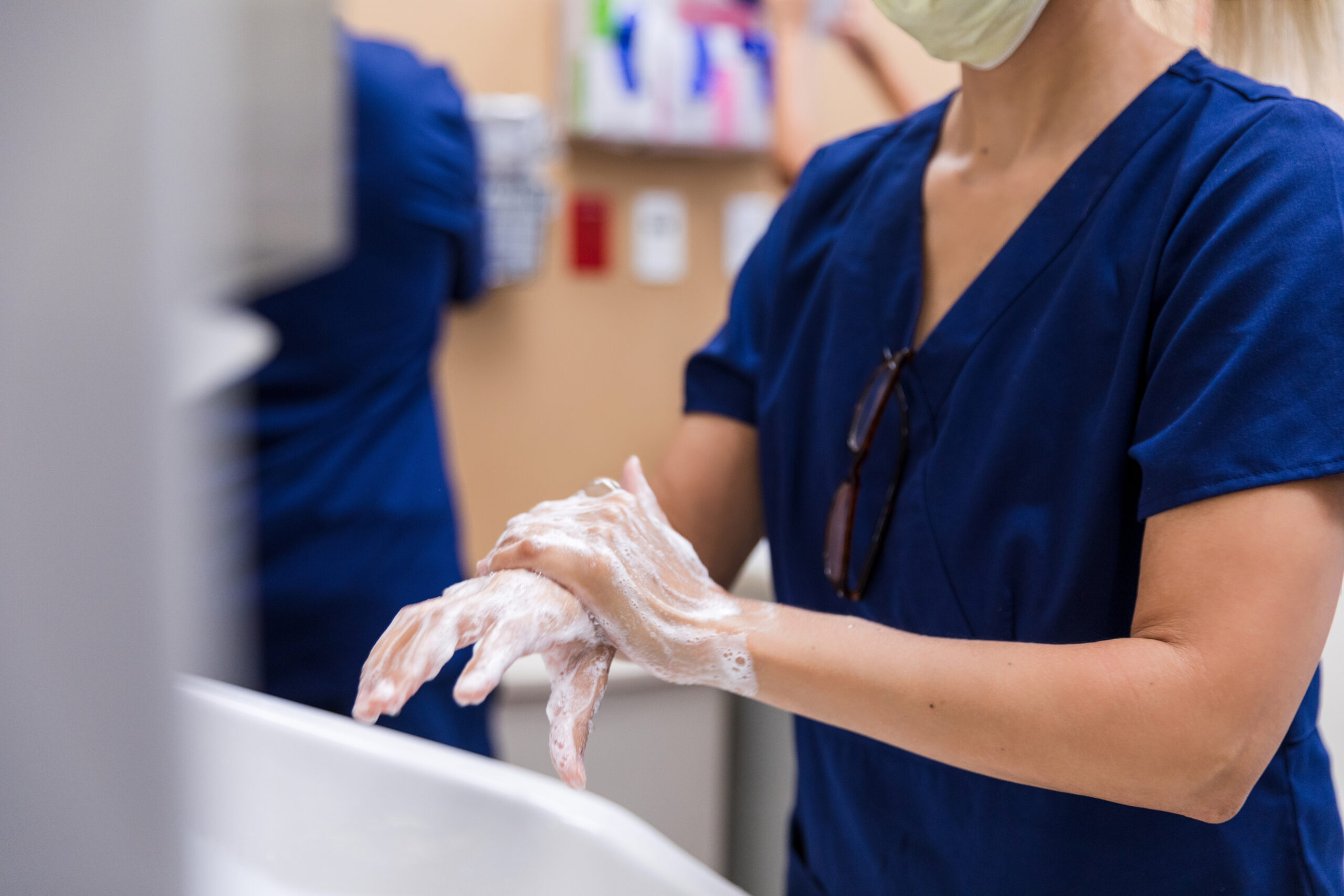
For decades, healthcare leaders have known that effective hand hygiene is one of the most powerful ways to prevent infection transmission. Yet achieving consistent compliance across a busy hospital environment remains difficult.
As healthcare organizations work to strengthen infection prevention programs and demonstrate measurable safety improvements, many are discovering that the challenge is not simply awareness. It is measurement. Without reliable visibility into hand hygiene behavior, improvement efforts are difficult to sustain.
The Limitations of Traditional Hand Hygiene Monitoring
Many hospitals still rely on manual visual observation to measure hand hygiene compliance. Programs such as Leapfrog may require hundreds of observations per unit each month, making the process time-consuming and difficult to scale.
Even when performed carefully, manual observation captures only a small fraction of real-world events. The presence of an observer can also influence behaviour, often leading to artificially high compliance rates. Over time, infection prevention teams may find themselves working with incomplete data that does not fully reflect daily clinical practice.
Some organizations have attempted to address these limitations by implementing automated monitoring systems based on RFID or Bluetooth technologies. While these systems reduce the administrative burden of manual observation, accuracy has remained a challenge.
In clinical testing, certain RFID systems detected only:
- 49.5% of exit hand hygiene events
- 54.3% of entry hand hygiene events
When nearly half of hygiene opportunities go undetected, the reliability of compliance data becomes questionable. For infection prevention teams tasked with improving outcomes, incomplete data can limit the effectiveness of improvement initiatives.
Why Accurate Data Matters for Infection Prevention
Improving hand hygiene compliance begins with understanding current performance. Reliable monitoring allows healthcare organizations to:
- Establish accurate compliance baselines
- Identify high-risk units or workflows
- Measure the impact of improvement initiatives
- Demonstrate progress toward infection prevention goals
Without accurate data, infection control teams may be making decisions based on partial or misleading information. This can slow progress and make it difficult to demonstrate meaningful improvement to leadership, regulators or accreditation bodies.
Infection prevention programs work best when data reflects the realities of daily clinical care, not just a limited sample of observed events.
Operationalizing the WHO Five Moments for Hand Hygiene
Newer monitoring technologies are beginning to address these challenges by embedding clinical best practices directly into the monitoring process.
HID Healthcare RTLS’s hand hygiene solution, for example, operationalizes the WHO Five Moments for Hand Hygiene within the technology itself. Instead of relying on periodic observation, the system automatically captures compliance events based on proximity to the patient bed zone and defined in-and-out workflows.
This approach enables continuous monitoring across the facility while aligning measurement directly with globally recognized infection prevention guidelines.
The platform captures data such as:
- Bed-zone proximity and room-level movement
- In-and-out compliance standards
- Handwashing duration
- Individual healthcare worker compliance
- Every hygiene opportunity across the facility
Because monitoring occurs 24 hours a day, 365 days a year, healthcare organizations gain a more accurate baseline for compliance and a clearer view of how hygiene practices evolve over time.
Facilities can then use personalized scorecards, targeted training programs and ongoing performance insights to support behavioral improvement across clinical teams. Hospitals implementing automated monitoring programs commonly see compliance increase by 30–40% within the first year, with mature programs sustaining 80–90% compliance rates.
The Impact on Patient Safety and Hospital Operations
Improving hand hygiene compliance has measurable effects on both patient outcomes and operational efficiency.
When healthcare organizations gain better visibility into hygiene practices, they are better positioned to reduce infection transmission and strengthen infection prevention programs. This can contribute to:
- Lower healthcare-associated infection rates
- Shorter patient stays
- Reduced treatment costs
- Improved quality of care
Equally important, automated monitoring helps reduce the administrative burden associated with manual observation programs. Infection prevention teams can focus less on collecting data and more on interpreting insights and supporting frontline staff.
The result is a more sustainable approach to infection prevention that supports both clinical teams and patient safety initiatives.
Setting a New Standard for Hand Hygiene Monitoring
Healthcare organizations today face growing expectations to improve safety, reduce infection risk and demonstrate measurable performance improvements.
Meeting these expectations requires more than occasional observation or limited data sampling. It requires continuous visibility into real-world behaviour.
Modern monitoring technologies make it possible to move beyond traditional observation programs and toward a more accurate, scalable approach to compliance measurement. By providing reliable data and actionable insights, automated systems help hospitals strengthen infection prevention programs while making it easier for healthcare workers to maintain safe hygiene practices.
In the long term, this shift supports a smarter infection prevention strategy. One that protects patients, supports clinicians and helps healthcare organizations build a more resilient safety culture.
To learn more about how HID Healthcare RTLS supports automated hand hygiene monitoring and infection prevention programs book a demo with our team to see the technology in action.