




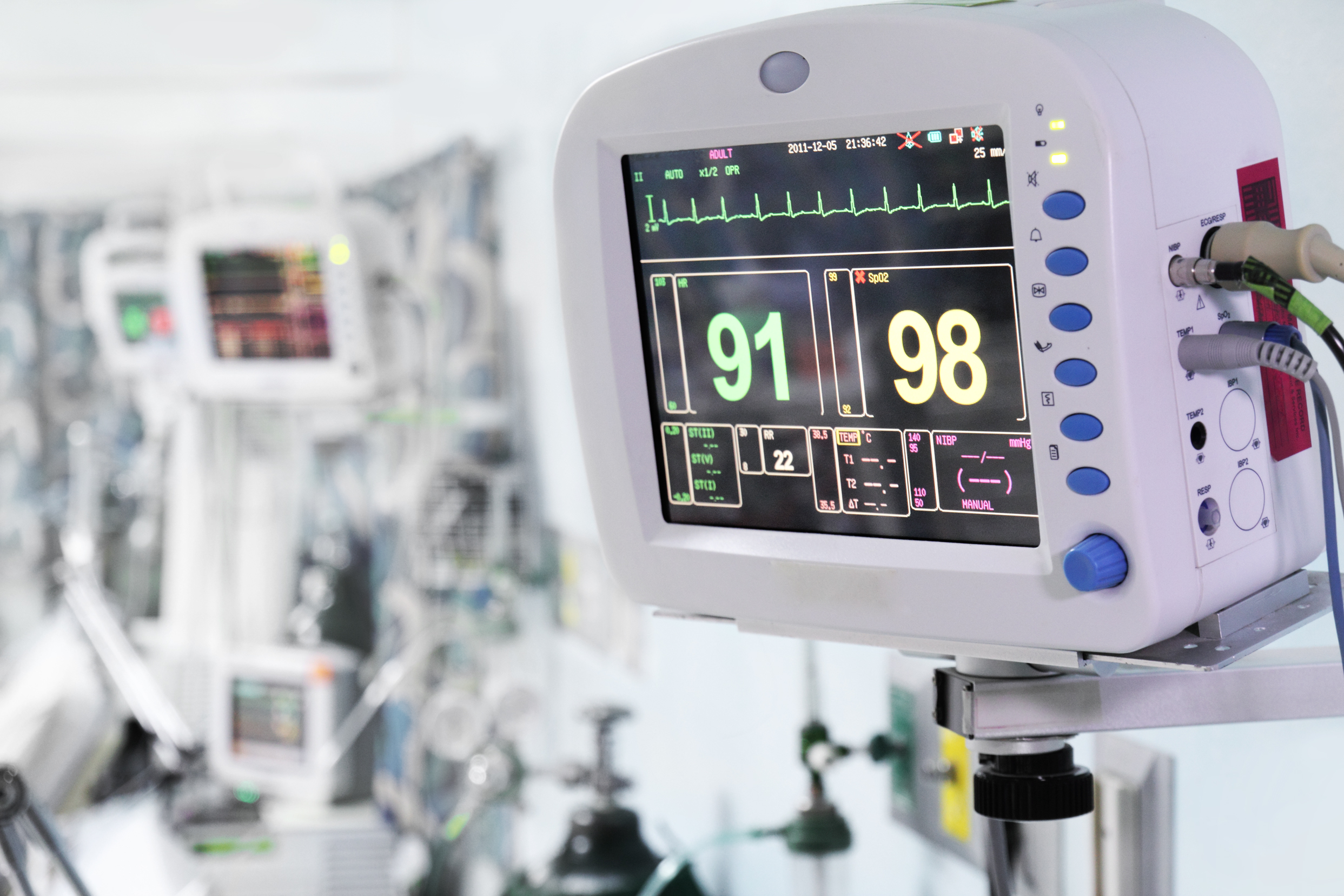
Hospitals invest millions of dollars in medical equipment. Yet across healthcare organizations, nurses, clinical engineering teams and other staff still spend valuable time searching for infusion pumps, wheelchairs, monitors and other critical assets.
When equipment cannot be found, the most obvious cost is replacing something that appears to be lost. But that is only part of the story.
Poor asset visibility can affect clinical productivity, equipment utilization, capital planning, maintenance, patient flow and ultimately patient care. Many of these costs are distributed across different departments, making their cumulative impact easy to underestimate.
Here are seven hidden costs of not knowing where your equipment is.
1. Clinicians Spend Time Searching Instead of Caring for Patients
Every minute a nurse spends searching for equipment is time that cannot be spent directly supporting patients.
Research and industry estimates suggest nurses can spend a significant portion of their shifts searching for medical equipment and supplies. Across a large hospital, even relatively small amounts of search time per clinician can translate into thousands of lost clinical hours over the course of a year.
There is also a human cost. Repeatedly searching hallways, storage rooms and other units for equipment adds unnecessary friction to already demanding clinical workflows.
Real-time asset visibility can help clinicians locate equipment quickly, reducing search time and allowing more attention to remain where it belongs: with the patient.
2. Unnecessary Equipment Rentals Increase Costs
When a piece of equipment cannot be found, it effectively becomes unavailable, even if it is sitting unused somewhere else in the hospital.
To maintain adequate inventory, healthcare organizations may turn to rental equipment. This provides an immediate solution to an availability problem, but it can also create significant ongoing costs.
The underlying issue may not be insufficient equipment at all. It may simply be insufficient visibility.
Better location and utilization data gives healthcare leaders a clearer understanding of what equipment is already available across the organization. This can help reduce unnecessary rentals while ensuring critical devices remain accessible when demand increases.
3. Capital Purchases May Be Based on Incomplete Information
The same visibility problem can influence capital planning.
If clinical teams regularly report that they cannot find enough pumps, monitors or other devices, purchasing additional equipment can appear to be the obvious solution.
But how much of the existing fleet is actually being used?
Without reliable utilization data, that can be surprisingly difficult to answer.
Some equipment may be concentrated in particular departments. Other devices may sit unused for extended periods. Assets may also be informally hoarded because staff lack confidence that equipment will be available later when they need it.
Real-time utilization data helps healthcare organizations distinguish between a genuine equipment shortage and a distribution or visibility problem. That means capital decisions can be based on actual demand rather than assumptions.
4. Delayed Equipment Can Mean Delayed Care
Asset visibility is not simply an operational or financial issue. It can also become a patient care issue.
When clinicians need a particular device, they often need it quickly. Searching for an infusion pump, monitor, wheelchair or other critical asset can delay a procedure, transfer, admission or discharge.
One delay may appear relatively minor. Repeated across departments and hundreds of patients, however, those delays can contribute to broader throughput challenges.
Improving asset visibility helps ensure equipment is available where and when it is needed, supporting more predictable workflows and helping clinicians deliver timely care.
This is where asset management becomes directly connected to patient safety.
5. Preventive Maintenance Becomes Harder to Manage
Clinical engineering and biomedical teams face another consequence of poor asset visibility.
Medical equipment must be inspected, maintained and serviced according to established schedules. But maintenance teams cannot service equipment they cannot locate.
When devices move between departments or disappear into storage areas, considerable time can be spent trying to find them. In some cases, equipment may miss scheduled preventive maintenance altogether.
Real-time location information gives clinical engineering teams greater visibility into the equipment requiring attention, helping them locate devices more efficiently and supporting stronger maintenance and compliance workflows.
The benefit is not simply productivity. Well-maintained equipment is an important part of a safe and reliable care environment.
6. Staff Frustration Adds to an Already Demanding Work Environment
Not every cost appears on a balance sheet.
Few things are more frustrating for a busy clinician than knowing the equipment they need exists somewhere in the hospital but being unable to find it.
Repeated interruptions, unnecessary walking and equipment searches add friction to the working day. At a time when healthcare organizations are already focused on clinician workload and retention, eliminating avoidable frustrations matters.
Technology cannot solve every workforce challenge. But it can remove unnecessary obstacles. A well-designed solution can also help attract and retain talent in a competitive space.
Giving clinicians confidence that they can quickly locate the tools they need can contribute to smoother workflows and a more supportive care environment.
7. Healthcare Leaders Are Left Making Decisions Without the Full Picture
Perhaps the biggest hidden cost is the absence of reliable data.
Knowing where an asset is provides immediate operational value. Understanding how assets move and are utilized over time provides something more strategic.
Healthcare leaders can begin asking better questions:
- Which assets are consistently underutilized?
- Where are equipment shortages actually occurring?
- Are rental devices being used effectively?
- Do PAR levels reflect real demand?
- Could equipment be redistributed before more is purchased?
Without reliable asset data, these decisions often depend on manual inventories, anecdotal feedback or assumptions.
With real-time visibility and utilization analytics, healthcare organizations can move from simply tracking equipment to making more informed decisions about how resources are deployed across the enterprise.
The Real Cost of Poor Asset Visibility
The cost of not knowing where medical equipment is extends far beyond the replacement value of a missing device.
It can be measured in clinician time, unnecessary rentals, avoidable capital purchases, delayed workflows, maintenance challenges and missed opportunities to make better operational decisions.
Most importantly, it can affect the ability of clinical teams to access the equipment they need to provide safe, efficient patient care.
HID Healthcare RTLS’s InVIEW Clarity Asset Management solution provides real-time visibility into medical equipment across healthcare environments, helping organizations locate assets, understand utilization and turn location data into actionable operational insight.
For healthcare leaders evaluating asset management, the starting point may be surprisingly simple: understand how much time, money and clinical capacity is currently being lost because equipment cannot be found.
Want to see what greater asset visibility could mean for your organization? Learn more about InVIEW Clarity Asset Management or book a demo with HID Healthcare RTLS.