



Hospitals operate in moments measured in seconds. The seconds it takes to intubate, to medicate, to stabilize a deteriorating patient. Clinical expertise is built around rapid, informed response. Yet even the most capable teams cannot act quickly if the equipment they need is unavailable.
Clinicians spend much more time than anyone realizes simply searching for the tools required to do their jobs.
In many hospitals, the time spent searching for devices is significantly under-recognized. Studies suggest that nurses spend an average of 10 percent of their shift looking for equipment, which can equate to nearly one hour per shift. In a 300-bed hospital, that may add up to approximately 156,000 hours per year, representing more than five million dollars in lost wages and time that could otherwise be directed toward patient care.
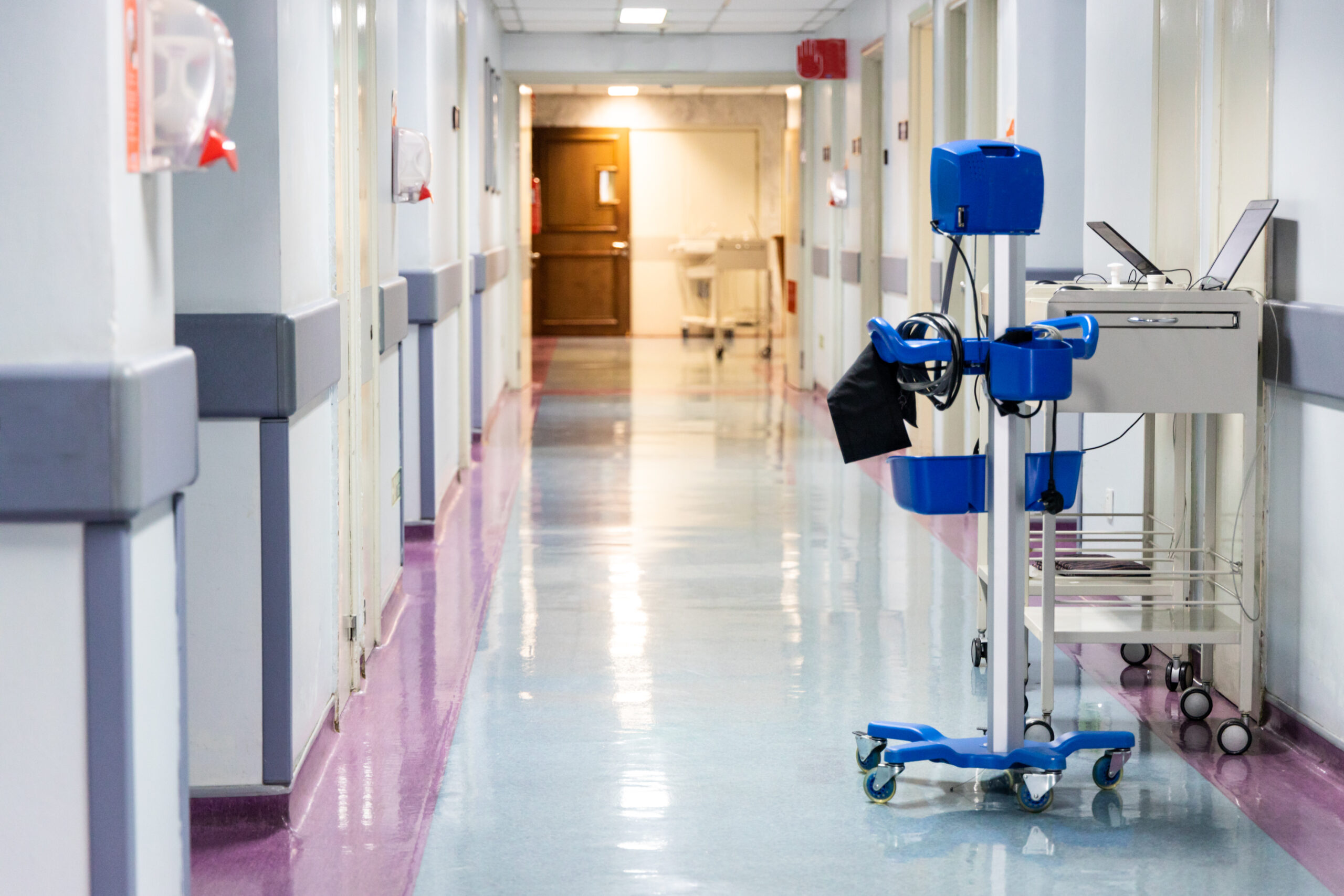
An infusion pump that is not where it was expected. A bladder scanner that has moved between units. A wheelchair that was “just here.” A monitor that has migrated across departments. A ventilator that exists somewhere in the system but cannot be located quickly.
These moments rarely appear on performance dashboards. However, they accumulate. Delayed care. Rising frustration. Slower patient throughput. Increased rental costs. Tension between units when equipment is informally retained to prevent shortages.
This is where real-time asset visibility shifts from operational convenience to clinical necessity.
From Inventory to Clinical Enablement
Through a well-designed asset management strategy, hospitals gain real-time visibility into the location and status of critical equipment. Clinicians no longer rely on memory, informal communication or time-consuming searches. Instead, they access a system that supports the same clarity and predictability expected in clinical workflows.
Asset visibility is not simply inventory management. It functions as a safety and operational framework that supports a continuous cycle:
Detect. Notify. Respond. Stabilize. Prevent.
- DETECT: When an infusion pump is needed for a crashing patient, the system DETECTS the closest available device.
- NOTIFY: When a wheelchair is required for discharge, the system NOTIFIES where to find it.
- RESPOND: When a bladder scanner is not returned, staff can RESPOND in seconds rather than hours.
- STABILIZE: When assets accumulate in one unit, the system helps STABILIZE flow.
- PREVENT: And, over time, trend data PREVENTS shortages, excess purchasing and lost equipment.
The Clinical Impact
Clinicians consistently describe the introduction of real-time visibility as the removal of a persistent operational obstacle.
The gains are practical. Less time searching, fewer workflow interruptions, greater confidence that equipment is clean and ready for use, improved coordination between units and more time spent delivering care rather than locating tools.
For patients, the impact is equally tangible. Delays decrease. Transitions become smoother. Procedures begin on time. Care environments feel more organized and predictable.
Patients may never ask whether a real-time visibility system is in place, but they experience the difference when it is absent.
Supporting High-Risk Environments
Certain areas of the hospital are particularly sensitive to equipment flow.
Emergency departments operate under constant pressure, where seconds influence outcomes. Intensive care units depend on immediate access to specialized devices. Operating rooms and procedural suites experience significant clinical and financial consequences when delays occur. Neonatal intensive care units require reliable access to equipment for vulnerable patients. Environmental and infection prevention teams rely on real-time insight into cleaning status, maintenance and recalls.
In each of these environments, asset visibility reduces uncertainty and supports safer care.
Operational Stability and Return on Investment
The operational and financial implications are measurable.
When equipment utilization becomes transparent, hospitals often find they can reduce rental costs and avoid unnecessary capital purchases. Lost devices decrease. Overstocking diminishes. Confidence in equipment availability reduces informal hoarding behaviours.
The cumulative effect extends beyond cost control. When clinicians recover even a portion of the time previously spent searching, that time is redirected toward patient care. In large facilities, the regained clinical hours alone can represent significant operational value.
While return on investment is important, the deeper value lies in what asset visibility restores to care teams: time, clarity and confidence. When clinicians trust that equipment is accessible, the care environment becomes calmer and more reliable.
Patient safety is strengthened not through additional effort, but through reduced friction.
A Foundational Capability
Real-time asset visibility is increasingly recognized as foundational to a high-performing hospital system. It supports patient safety, operational efficiency and financial stewardship simultaneously.
Just as importantly, it creates a platform for broader location intelligence across the organization. When built on scalable infrastructure, asset visibility can serve as the entry point for additional workflows over time, allowing hospitals to extend value without rebuilding systems or layering disconnected tools.
When seconds matter, predictability matters. When equipment is consistently available and visible, clinicians can focus fully on clinical decision-making rather than logistics.
In that sense, real-time asset visibility is not simply a technology deployment. It is a long-term infrastructure investment that strengthens patient safety today while supporting measurable ROI and future operational growth. To learn more about how HID Healthcare RTLS supports real-time asset visibility, request a demo.